


A Storm Is Approaching: Hurricane Prep for Destin Apartment Renters
When a tropical storm or hurricane threatens the Emerald Coast, everyday errands can suddenly feel urgent. You may be trying to finish work, pick up groceries, reach family members, and decide whether you need to leave. Having a clear order of priorities makes those decisions easier.
Hurricane preparation for Destin apartment renters starts with checking evacuation guidance, arranging a safe place to go, gathering supplies, and preparing the apartment before conditions deteriorate. Your plan should account for everyone in your household, including pets, and any medical or transportation needs.
For residents of Sugarloaf Luxury Apartments in Destin, this guide focuses on the practical decisions to make when a storm is approaching. Follow current instructions from local emergency officials throughout the event.
Check Your Evacuation Zone Before Deciding to Stay
Start by looking up your address through Florida’s Know Your Zone tool. Knowing your evacuation zone helps you understand which local orders apply to your household. Living upstairs does not cancel an evacuation order or guarantee that remaining in the building is safe.
If officials order your area to evacuate, leave as directed. If no order applies, consider your personal needs, your household’s needs, and the possibility of losing electricity/water before deciding to stay. A household that depends on powered medical equipment may need arrangements that go beyond an ordinary supply kit.
Use Okaloosa County’s emergency information page to find evacuation information, road closures, and alert signup options. Save it on your phone now so you do not have to search for it while preparing. Check the time and date on updates, especially when someone sends you a screenshot.
Decide Where You Will Go and How You Will Get There
An evacuation plan needs a destination and a way to reach it. Call the friend or relative you would stay with, confirm a hotel reservation, or check official announcements about shelters that are actually open. Have a second option if your first choice becomes unavailable or falls within an affected area.
If you do not drive, arrange transportation before the weather worsens. Talk with the person picking you up about timing, luggage, pets, and any mobility needs. Drivers should plan fuel or charging stops early and follow official route guidance.
Choose one person outside the affected area to keep informed. Tell them where you are going and who is traveling with you. Write down their number and your destination’s address in case your phone loses power.
Gather Supplies You Can Use Without Electricity
Florida emergency officials recommend having at least seven days of hurricane supplies. Think through what your household uses during a normal week, then account for the possibility that cooking, shopping, and charging devices may be difficult.
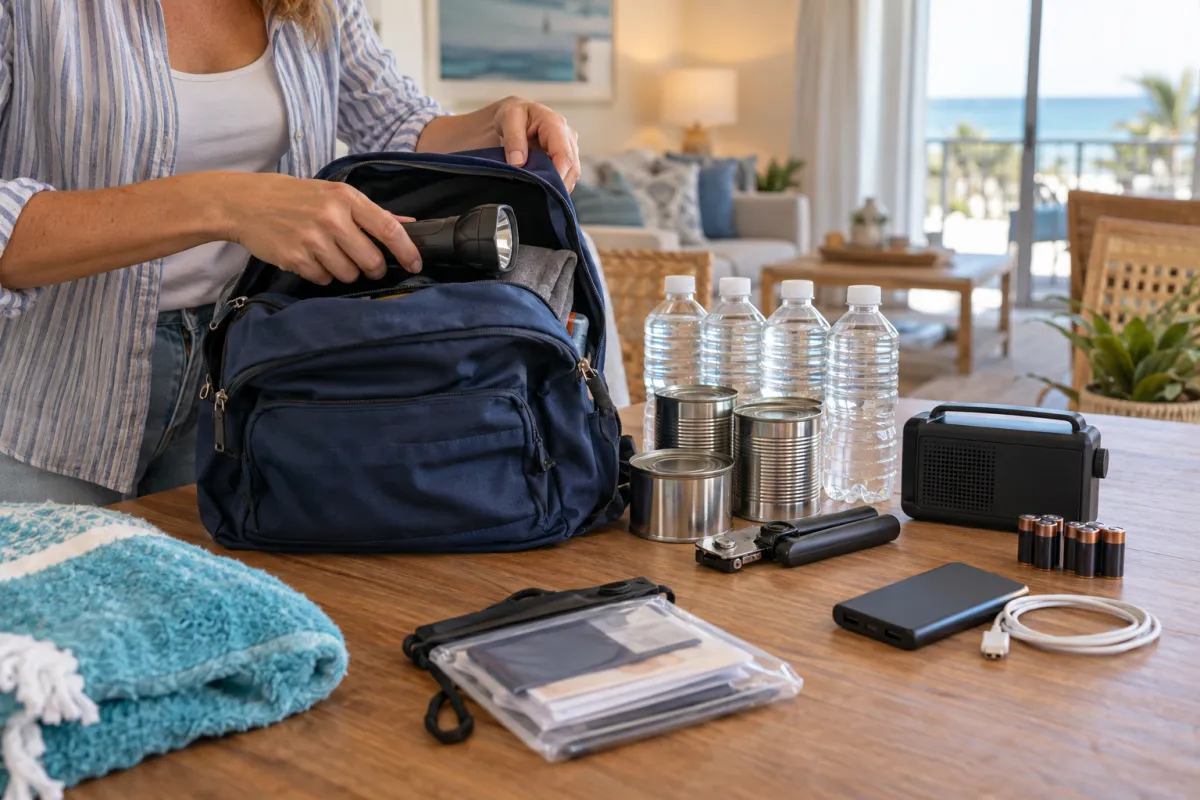
Check what you already have before buying more. Focus on essentials that fit your household:
Drinking water and shelf-stable food that requires little or no preparation.
A manual can opener, flashlights, batteries, and a battery-powered radio.
Prescription medications, first-aid supplies, and personal hygiene items.
Charged power banks, charging cables, and some cash.
Baby supplies, accessibility items, and pet essentials where needed.
Keep part of your supplies in a bag you can carry if you leave. Store identification, medication information, important phone numbers, and copies of essential documents in a waterproof pouch. A packed bag is much easier to manage than gathering everything after an evacuation announcement.
Ask Management About Apartment Preparation
Renters should clarify building-specific instructions before making changes to the property. Ask management how residents will receive updates, how to report urgent maintenance concerns, and whether there are instructions for windows, outdoor belongings, or parking. Don't assume a neighbor’s plan reflects community policy.
Sugarloaf residents can find the office number and maintenance contact information on the resident information page. Save those details and ask about the appropriate contact method if the office is closed. Report existing leaks or doors and windows that do not close properly while there is still time to assess them.
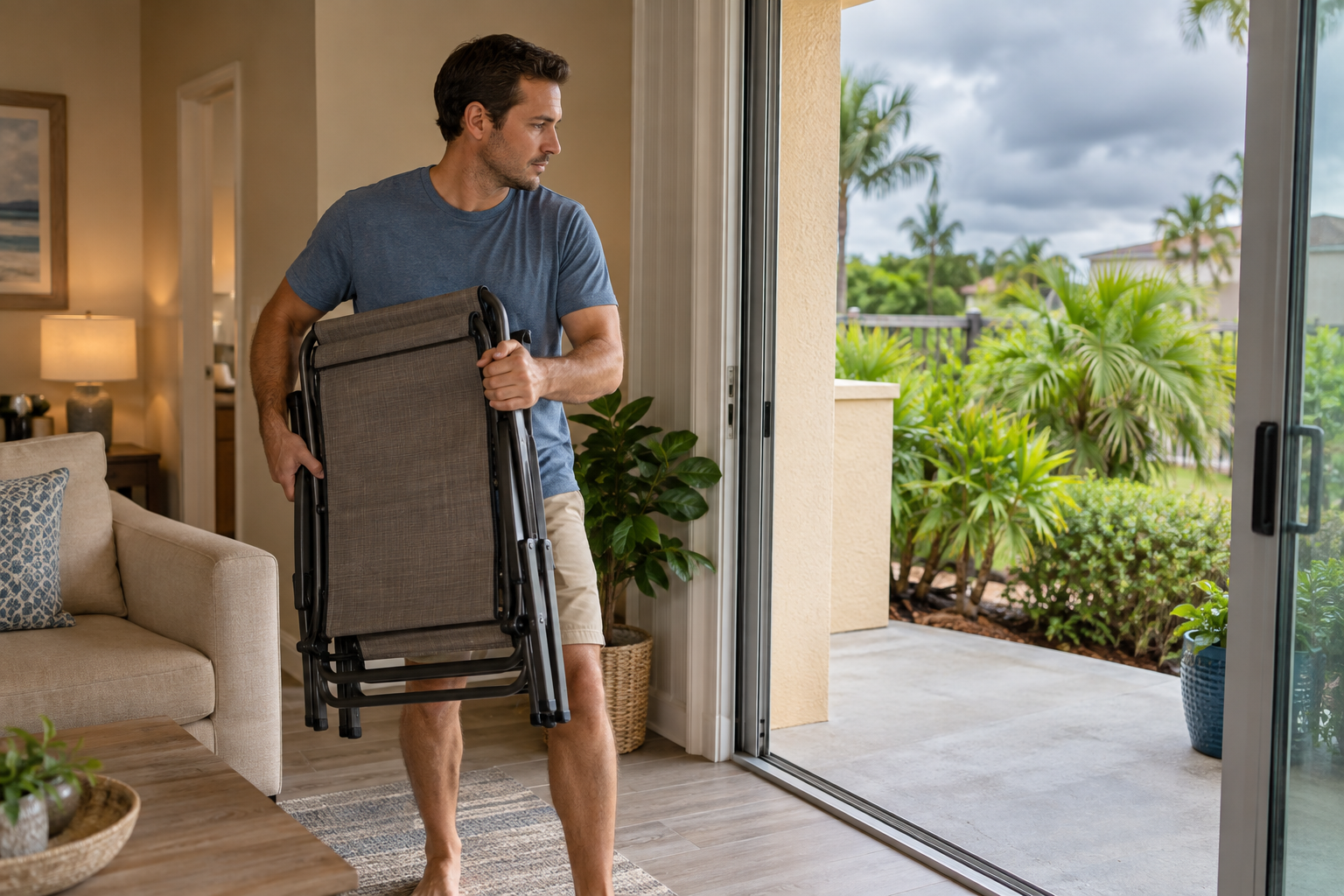
Bring loose outdoor belongings inside before winds increase, and keep exits and walkways clear. Move portable electronics and important papers away from windows and off the floor where practical. Ask management before installing window coverings or attaching anything to the building. These steps prepare your space, but they do not replace an evacuation plan.
Make a Specific Plan for Your Pets
If you evacuate, take your pets with you. Confirm that your destination accepts your animals, including any size, species, or number restrictions. Do not assume every public shelter allows pets or that an animal shelter will have emergency space.
Florida’s pet hurricane planning guidance recommends arranging a safe destination ahead of time and preparing portable supplies. Pack food, water, medications, vaccination records, waste supplies, and a leash or carrier. Keep identification tags current and save a recent photo.
Also consider where you will be when an evacuation order arrives. If you might be at work, arrange with someone you trust to reach your pets safely. Discuss access and transportation beforehand.
Prepare for an Outage Before the Lights Go Out
Charge phones and power banks while electricity is available, and put flashlights where everyone can find them. Download important information for offline use. If anyone relies on refrigerated medication or powered medical equipment, contact their healthcare provider or equipment supplier early to arrange a suitable backup plan.
Fuel-powered generators create a serious carbon monoxide risk. Never operate one inside an apartment, in an enclosed area, or on an apartment balcony. Exhaust can enter your home or neighboring units. Review Florida’s generator safety guidance and building rules before considering any generator. Small battery packs for phones do not replace a medical equipment backup plan.
If you remain at home in accordance with official guidance, stay away from windows during dangerous winds. The National Weather Service’s hurricane instructions explain where to shelter and why a temporary calm during the eye of a storm does not mean it is safe to go outside.
Finish Your Preparations While Conditions Are Safe
Before leaving, check that you have your keys, identification, medications, phone, chargers, and pets. Close and lock windows and doors, follow management’s departure instructions, and let your designated contact know your destination. Leave when directed rather than waiting to see stronger winds outside.
If you stay, keep your supplies accessible and continue monitoring official updates. Preparation does not end when the groceries are put away, because your plans may need to change with new instructions.
For Sugarloaf residents, a useful next step is to contact the office with any apartment-specific questions, confirm your household’s destination, and finish gathering essentials. Making those decisions early gives you more time to respond calmly if conditions change.
